
News & Articles

Dragons’ Den entrepreneurs launch bee habitat made from ocean plastic
Dragons’ Den entrepreneurs launch bee habitat made from ocean plastic
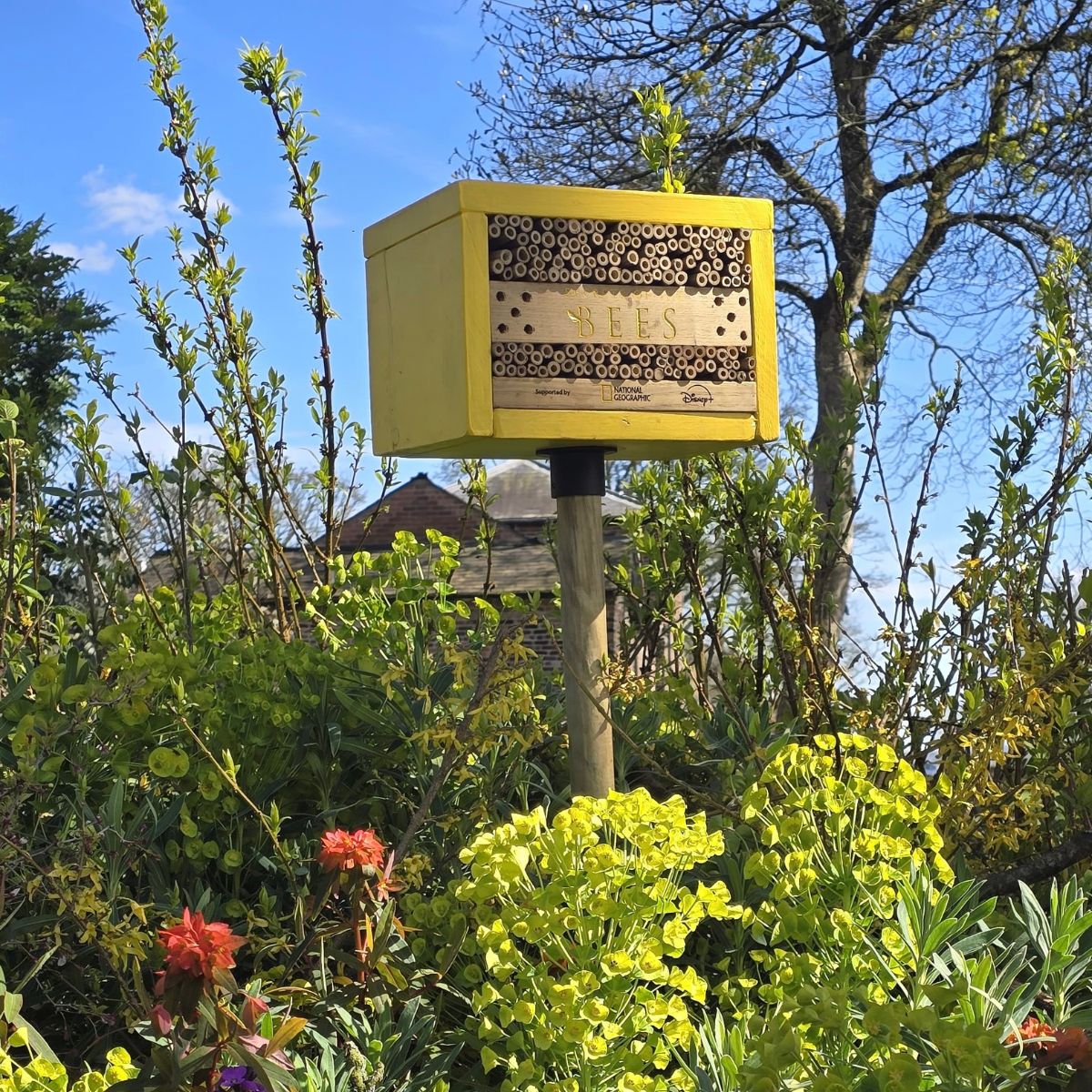
Devon-based entrepreneurs and Dragons’ Den duo Beevive have launched a new product designed to support pollinators whilst simultaneously tackling ocean plastic waste.
The product, Habitat One, is a modular bee hotel made from recycled, traceable marine plastic, giving new life to discarded fishing nets and other ocean-bound waste picked up from shorelines across the UK. Designed specifically for solitary bees, the habitat features a replaceable nesting cartridge system, allowing it to be renewed season after season rather than replaced.
Each bee hotel is also fully traceable, with a QR code on the packaging that allows customers to discover where the plastic was recovered, connecting each product back to UK coastlines where the material was collected.

Bee hotels have become increasingly popular in recent years, but many traditional designs suffer from poor airflow, short nesting tubes and materials that degrade over time. This bee hotel aims to address these issues through a durable, modular design that improves longevity and usability.
The product is currently live on Kickstarter, where early supporters can access limited reward tiers as part of the campaign.
Beevive is best known for its invention, the Bee Revival Keyring which they took to Dragons Den in 2025. Beevive has partnered with organisations including WWF, RSPB and the Wildlife Trusts. The team has also recently worked with National Geographic and Disney to create bespoke bee hotels to support the launch of Secrets of the Bees, helping raise awareness of the importance of pollinators.
“With Habitat One, we wanted to create something that genuinely lasts,” said Faye Whitley. “By combining better design with recycled materials, we’re aiming to support bees in a more sustainable and long-term way.”
There are over 270 species of bee in the UK, many of which are in decline due to habitat loss. Solitary bees, which do not live in hives or produce honey, make up the majority of these species and rely on small cavities to nest.
Habitat One is designed to be installed in gardens, balconies and shared outdoor spaces, providing a simple way for individuals to support pollinators at home.
to find out more visit - https://beevive.com/